Product development
Talon Ski Bindings
A ten-month capstone program that turned an ACL-injury problem into a four-direction ski-binding prototype, then tested where the concept worked and where it still needed development.
- Period
- 2023–2024
- Role
- Project manager, with CAD, FEA, and visualization contributions
- Methods
- Project Management · SOLIDWORKS · FEA · Testing
Engineering Challenge
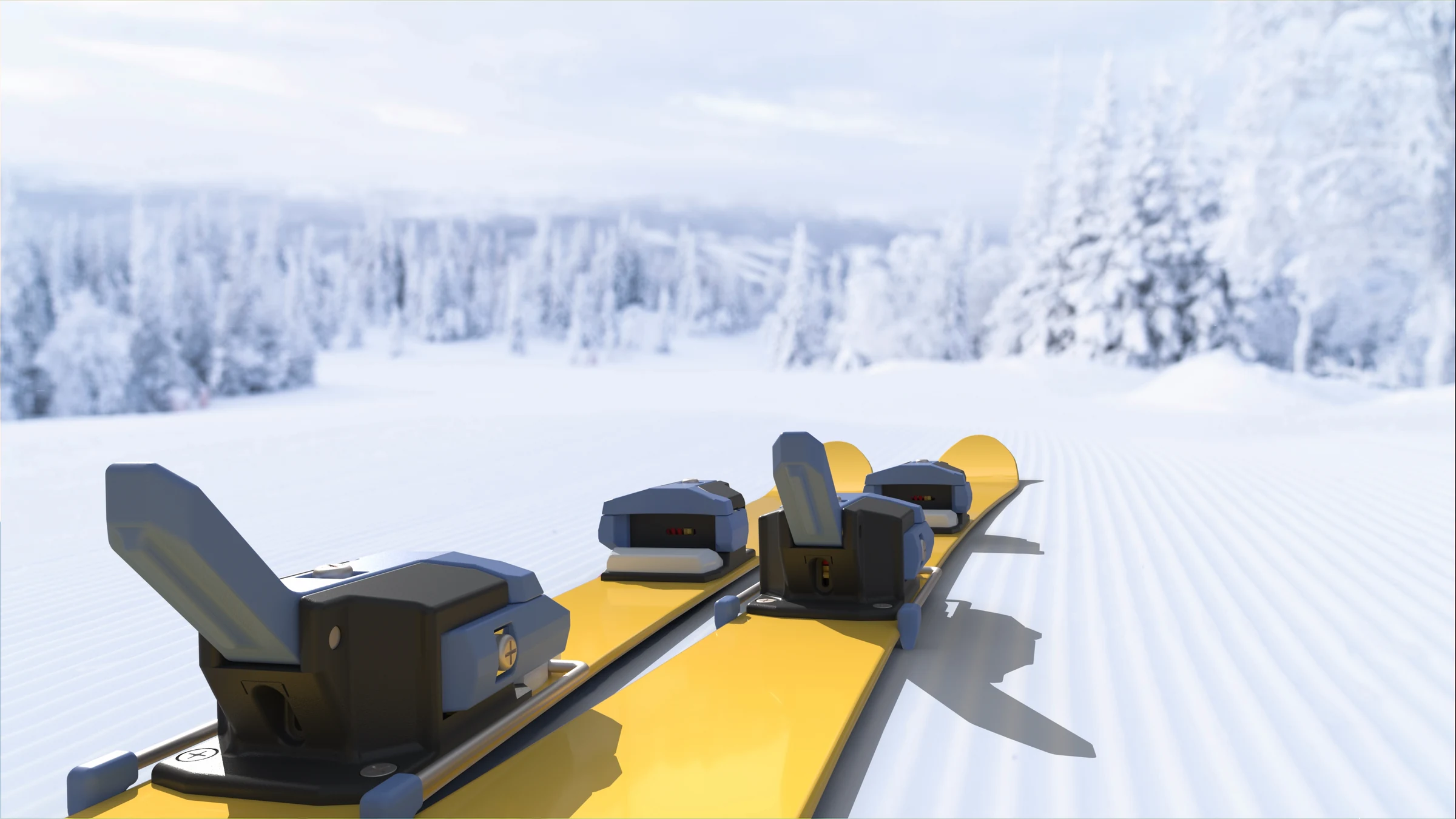
Conventional alpine bindings primarily release laterally at the toe and vertically at the heel. The team set out to address straight-back and backward-twisting fall modes by adding adjustable vertical and horizontal release at both ends of the boot, while staying compatible with standard alpine boots and skis.
Approach
I led the five-person engineering team through the work breakdown structure, Gantt schedule, design reviews, manufacturing plan, test campaign, business pitch, and expo handoff. I also contributed concept generation, heel-piece CAD, FEA, drawing reviews, and final renders. The team progressed from FDM pretotypes to a PA12 SLS test article, then used measured failures to drive three major redesign cycles.
Results
The final 3.11 lb prototype demonstrated independently adjustable horizontal and vertical release at both the toe and heel. It reached equivalent DIN ranges of 3.25–8.75 horizontally and 1.5–7.5 vertically, averaged 1.6% release-torque deviation across temperature testing, and completed the team's 300-cycle manual fatigue protocol in every tested direction without observed component failure. No human testing was performed, and full ASTM and ISO validation remained future work.
Four Release Directions, Set Independently
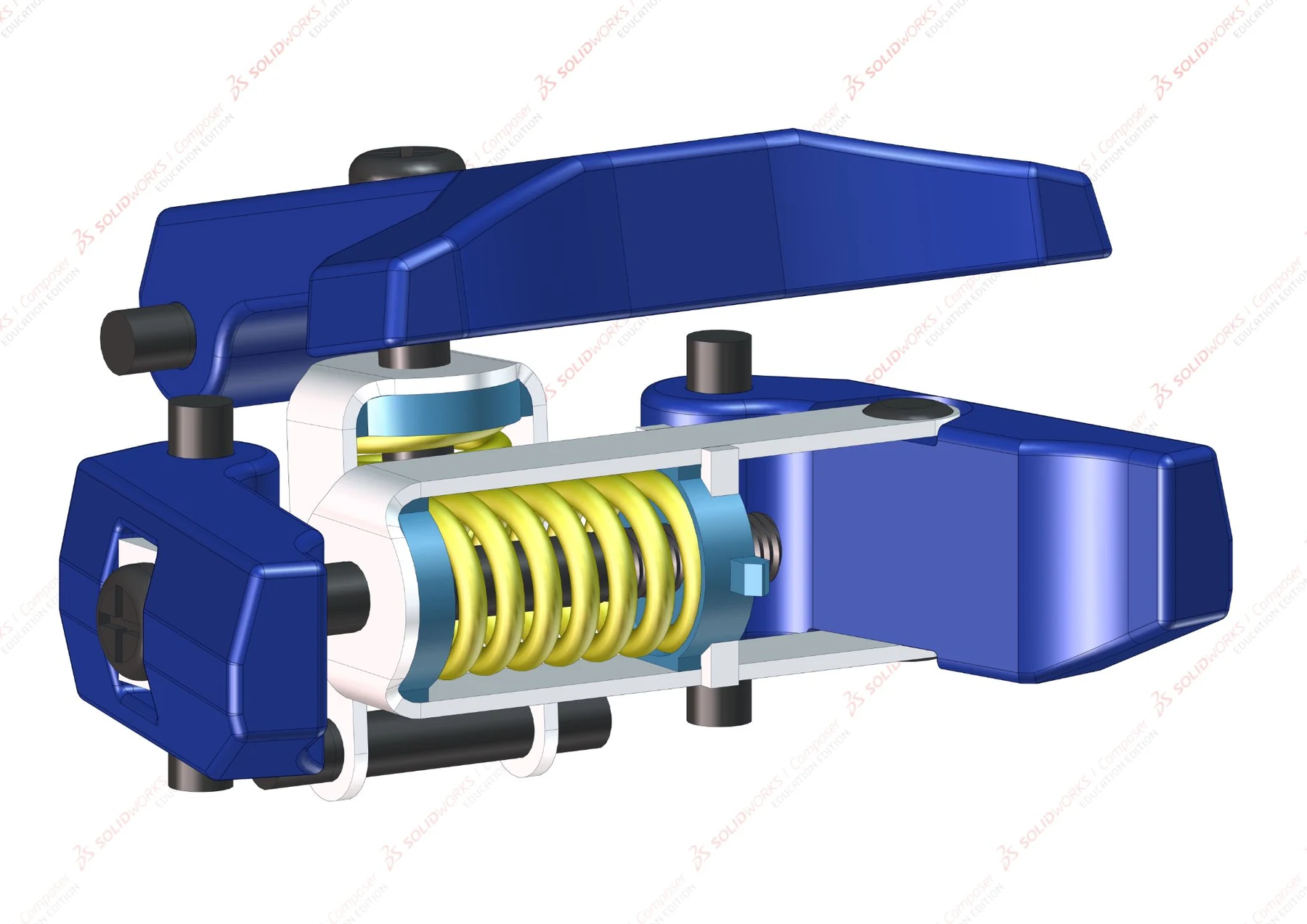
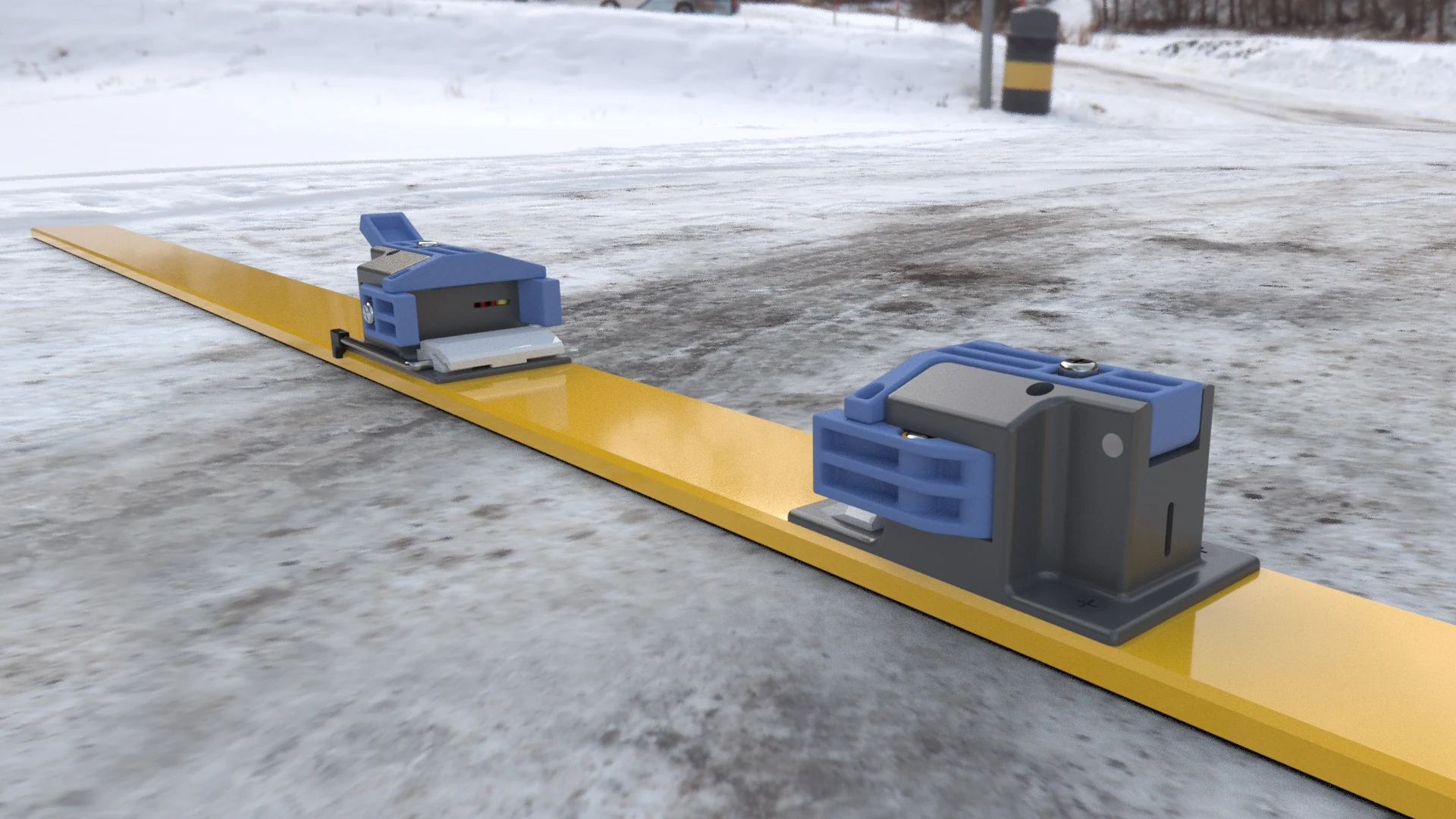
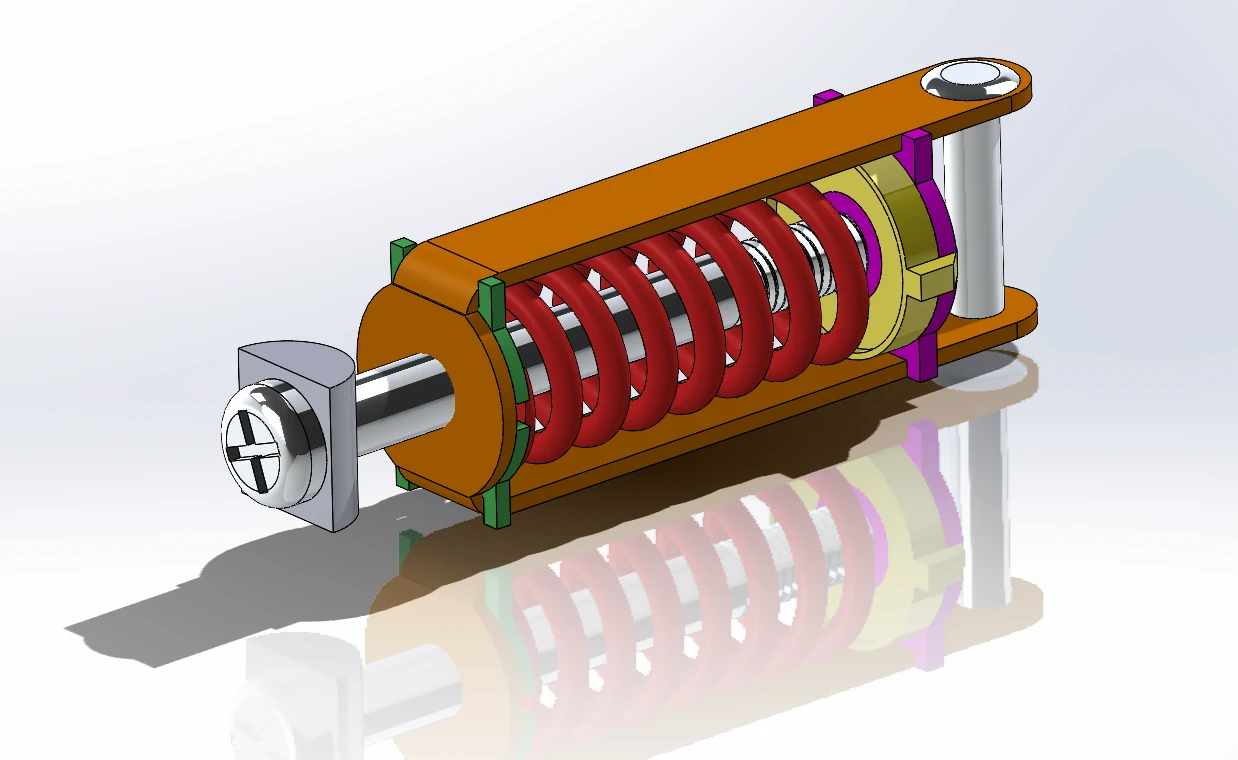
Both the toe and heel use separate horizontal and vertical release mechanisms. Spring-loaded grips pivot around pins, while screw-driven spring compression controls each setting independently. Repeated components across the toe and heel simplified the architecture. The prototype used PA12 SLS parts and formed steel hardware as a practical stand-in for a production concept based on glass-filled PA6 and stainless steel.
Failures Became Design Inputs
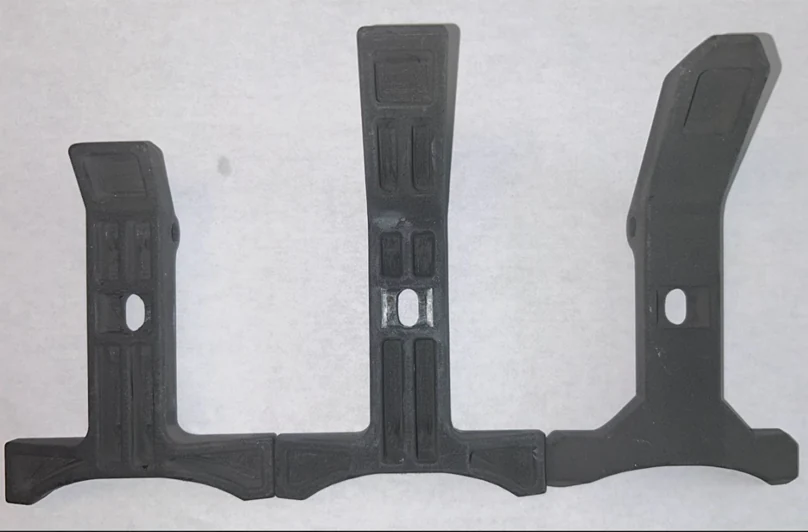
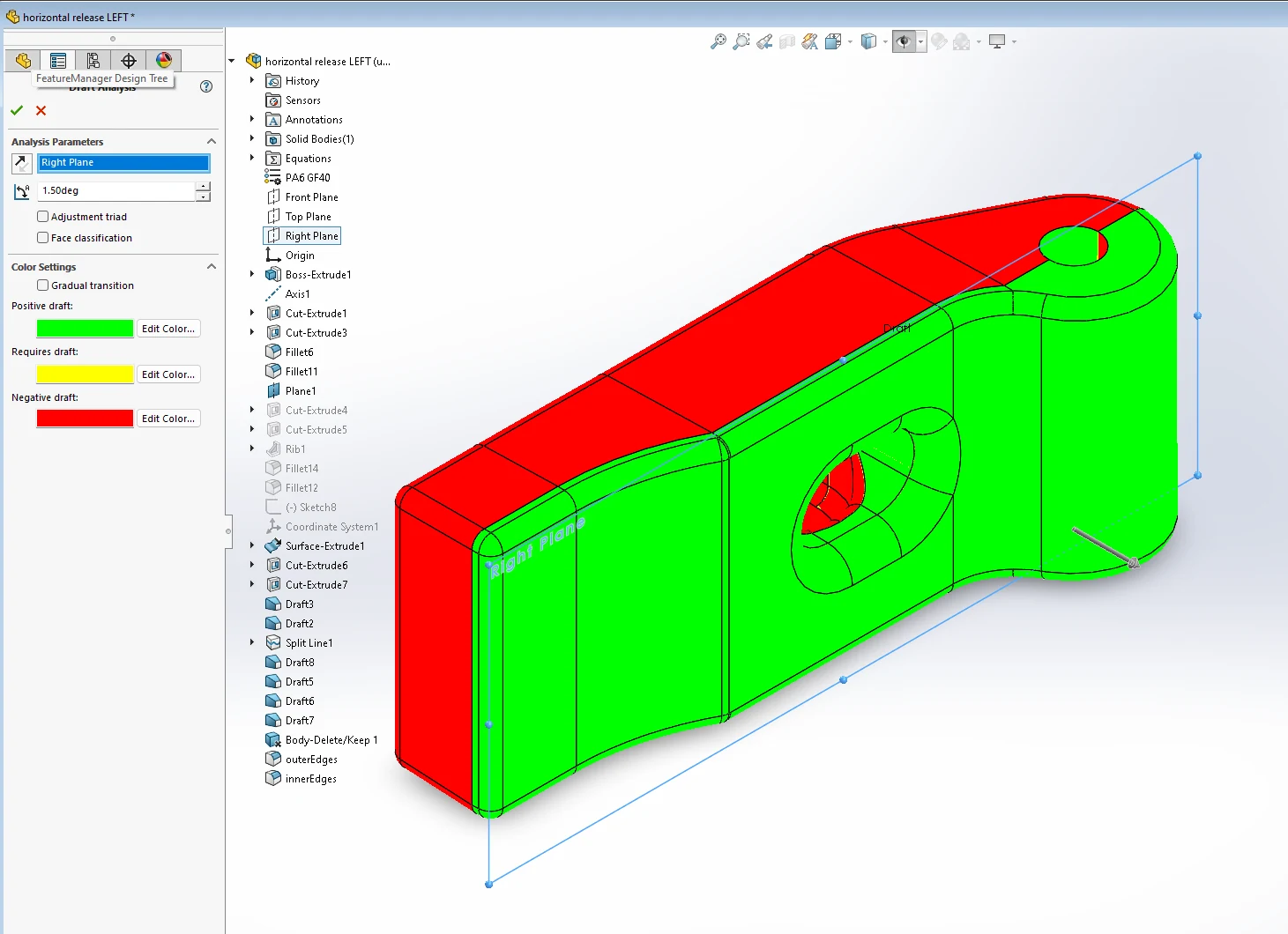
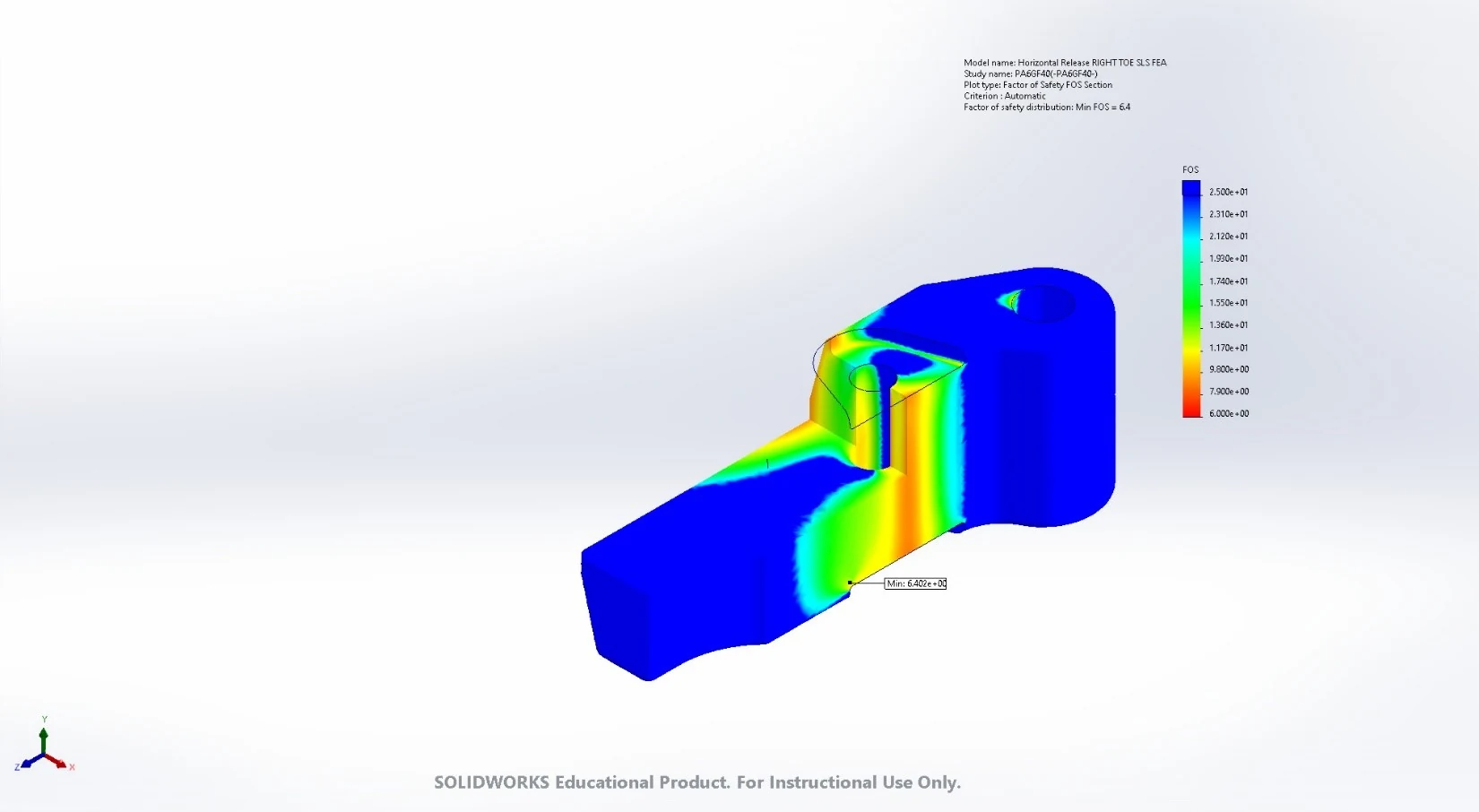
Early test articles exposed poor boot fit, inconsistent release, thin walls around pivot features, and stress concentrations that fractured at higher settings. Three redesign cycles improved contact geometry, increased critical wall thickness, replaced abrupt corners with chamfers, and strengthened the release grips. Final horizontal releases averaged 3% variation across repeated torque tests, while the vertical release averaged 4%.
Technical Leadership Across the Whole Program
As project manager, I owned the integrated schedule, progress reviews, deliverable coordination, and alignment between design, manufacturing, testing, finance, and the business workstream. My technical contributions included early concept generation, heel-piece CAD, FEA, drawing reviews, prototype reviews, and the final visual package used for pitches and the engineering expo.
A Credible Prototype, Not a Certified Product
The team validated basic release behavior, temperature response, and a limited fatigue protocol using available equipment. It did not conduct human testing or complete the full ASTM F504, ISO 9465, or ISO 11087 procedures. A production path would also need a forward-pressure adjustment, a heel cam lock, a completed brake system, and a much broader verification program.
Key Outcomes
- Led a five-person engineering team through a ten-month program and all major deadlines
- Connected torque data and SLS part failures to three iterative redesign cycles
- Contributed concept work, heel-piece CAD, FEA, drawing reviews, and technical renders
- Delivered the prototype and test program for under $1,300 of a $2,000 materials budget
Related Links